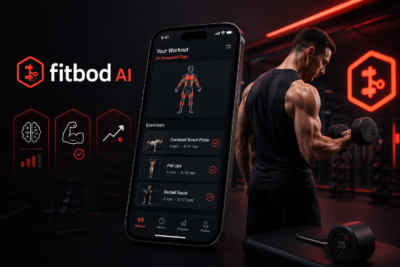
Fitbod AI✓
From $15.99/month
Strength training enthusiasts wanting AI-generated, progressively adjusted workout plans based on muscle recovery and equipment availability
A workout plan that doesn’t adapt to you stops working fairly quickly.
From $15.99/month
Strength training enthusiasts wanting AI-generated, progressively adjusted workout plans based on muscle recovery and equipment availability
From $79.99/month
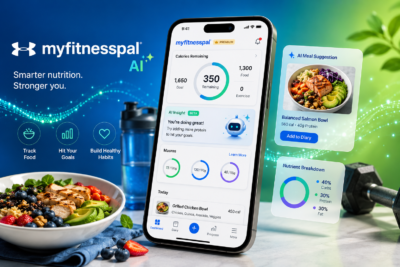
Individuals wanting a large food database with barcode scanning and AI meal photo recognition for calorie and macro tracking
From $149/month
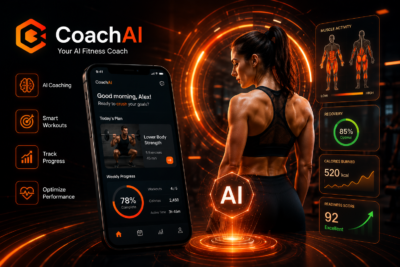
Individuals wanting AI-generated, adaptive workout programming without a human personal trainer
From $23/month
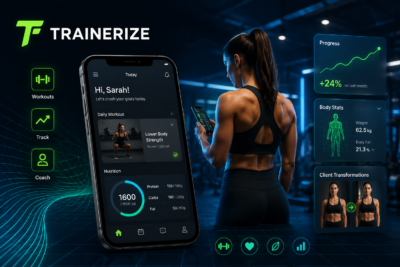
Personal trainers wanting a scalable client management platform with per-client pricing and optional add-ons for nutrition and payments
A workout plan that doesn’t adapt to you stops working fairly quickly. The programme that pushed you forward in the first month becomes routine by the third, progress stalls, and motivation follows. On the other side of that equation, personal trainers building customised plans for each client from scratch, tracking progress across dozens of sessions, and managing the communication, scheduling, and payments of a growing coaching business are doing significant work beyond the training itself. AI fitness tools address both sides of that problem — giving individuals more personalised guidance than a generic app can provide, and giving coaches the infrastructure to scale their practice without burning out on administration.
AI fitness tools are software platforms that use machine learning and data analysis to personalise workout programming, track progress, adapt recommendations over time, and in many cases support the business operations of fitness coaches and personal trainers. For individuals, the core value is a training experience that responds to what you’re actually doing — adjusting workout difficulty, exercise selection, and volume based on your performance, goals, equipment availability, and recovery. For fitness professionals, the value sits in streamlined client management, automated programme delivery, progress tracking, and communication tools that let a trainer serve more clients without proportionally increasing the hours required to do so.
The technology behind these tools varies by platform but generally involves adaptive algorithms that update recommendations based on logged workout data. When a user completes a session, the AI analyses what was performed, compares it against the plan and historical data, and adjusts future sessions accordingly — increasing load when progress is consistent, modifying exercises based on fatigue signals or equipment changes, and prioritising muscle groups that haven’t been trained recently. Nutrition tracking tools layer calorie and macronutrient data onto this picture, giving users and coaches a more complete view of what’s driving or limiting progress.
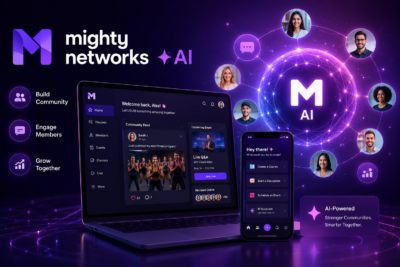
The people using AI fitness tools span a wide range. Individual users — from beginners building a consistent routine to experienced gym-goers looking for smarter programming — use tools like Fitbod and MyFitnessPal to get more out of their training without paying for a personal trainer. Online coaches and personal trainers use platforms like Trainerize and CoachAI to deliver programming to clients remotely, track adherence and progress, communicate between sessions, and manage the business side of coaching in one place. Fitness community builders use platforms like Mighty Networks to combine content, community, and coaching into a membership model that supports recurring revenue. The right tool depends entirely on which of these use cases you’re solving for.
When comparing AI fitness tools, the distinction between individual-use and professional coaching platforms is the most important first filter. Individual tools are optimised for personal use and typically focus on workout adaptability, exercise libraries, and nutrition integration. Professional platforms prioritise client management, programme delivery, progress reporting, and in-app communication. Integration with wearables and health platforms — Apple Health, Google Fit, and fitness trackers — matters for users who want their workout data to inform their AI recommendations automatically. Pricing varies considerably: individual apps often use subscription models while coaching platforms charge per trainer seat or per number of active clients. For coaches building a business, scalability is important — a platform that works for ten clients should also work for a hundred. Ease of use on both sides of the platform matters: coaches need to build and deliver programmes efficiently, and clients need an app they’ll actually use consistently. Data privacy is worth reviewing for platforms handling health and biometric data.
The AI fitness tools listed below cover both individual training and professional coaching use cases. You can compare them directly by features, platform focus, pricing, integrations, and intended audience to find the option that best fits your training goals or coaching business.
AI fitness tools are software platforms that use artificial intelligence to personalise workout programming, track training progress, adapt recommendations over time, and in many cases support the business operations of fitness coaches. For individual users, they provide training guidance that adjusts based on performance, goals, and available equipment. For fitness professionals, they offer client management, programme delivery, and communication tools that make it practical to coach more clients without spending proportionally more hours on administration. The category spans individual workout apps, online coaching platforms, nutrition tracking tools, and fitness community platforms.
AI fitness tools personalise workout plans by analysing data logged from training sessions — exercises performed, weights used, reps completed, and how those compare to previous sessions — and adjusting future recommendations accordingly. If you consistently complete sets with capacity to spare, the AI increases the challenge. If you miss sessions or log fatigue signals, it adjusts volume and intensity. Some tools factor in equipment availability, muscle group recovery, and stated goals to further refine what gets recommended. The result is programming that responds to what you’re actually doing rather than following a fixed schedule that doesn’t adapt to your real progress.
For many training goals, AI fitness tools can provide meaningful guidance that improves on generic plans — but they don’t fully replicate what a good personal trainer offers. A human trainer observes movement quality, provides real-time cues, adjusts technique in the moment, and brings motivation and accountability that an app can’t replicate. For individuals with specific rehabilitation needs, significant technique issues, or complex goals, working with a qualified trainer remains the more appropriate choice. AI fitness tools are most effective as a supplement to good training habits or as a cost-effective alternative for self-motivated individuals with clear goals and basic movement experience.
Personal trainers and online coaches typically use platforms specifically designed for coaching management rather than individual workout apps. Trainerize and CoachAI are examples of platforms that allow trainers to build and deliver custom programmes to clients, track their progress and workout adherence, communicate between sessions, and manage scheduling and payments. These platforms let trainers serve more clients simultaneously without significantly increasing the time spent on each one individually. The AI features in these platforms assist with programme creation and progress analysis, while the business management features handle the operational side of running a coaching practice.
AI fitness apps that include nutrition tracking typically use large food databases that allow users to log meals by searching for foods, scanning barcodes, or in some platforms using AI-powered image recognition. The app calculates calories and macronutrients based on logged intake and compares this against targets set relative to the user’s goals. Some platforms cross-reference nutrition data with training data to provide more contextual guidance — for example, adjusting calorie targets on high-intensity training days versus rest days. The accuracy of nutrition tracking depends heavily on how consistently and accurately meals are logged, which remains a manual process in most platforms regardless of how sophisticated the analysis is.
Many are, and some are specifically designed with beginners in mind. Tools that start with an onboarding assessment covering goals, fitness level, equipment access, and training frequency are generally well-suited to beginners because they use that information to set appropriate starting points rather than assuming an existing baseline. Platforms with extensive exercise libraries that include instructional content — demonstration videos, form cues, and alternative exercise options — provide more support for users who are still building foundational knowledge. For complete beginners with no prior training experience, a session or a short period with a qualified trainer to establish technique and basic movement patterns is still worth considering before transitioning to self-directed AI-guided training.
Several tools in this category offer free plans or limited free access. MyFitnessPal has historically offered a free tier for basic calorie and nutrition tracking. Fitbod offers a limited number of free workouts before requiring a subscription. Coaching platforms like Trainerize typically offer trial periods for fitness professionals evaluating the platform. What’s available for free and the limitations on free tiers change regularly as providers update their pricing. Check the current pricing page of any tool you’re evaluating before making decisions based on assumed free access. Most tools offer enough free or trial access to evaluate core functionality before committing to a paid plan.
Start by clarifying whether you need a tool for personal use or for managing clients professionally — the platforms built for each use case are quite different. For individual use, prioritise workout adaptability, exercise library quality, equipment flexibility, and whether the app integrates with wearables or health platforms you already use. For coaching professionals, evaluate client capacity, programme building tools, communication features, progress reporting, and how the platform scales as your client roster grows. Pricing models differ significantly between individual subscriptions and per-client or per-trainer business plans. Data privacy is worth reviewing on any platform that handles health and biometric data. Ease of use on the client side matters as much as on the trainer side — clients who find the app confusing won’t use it consistently.